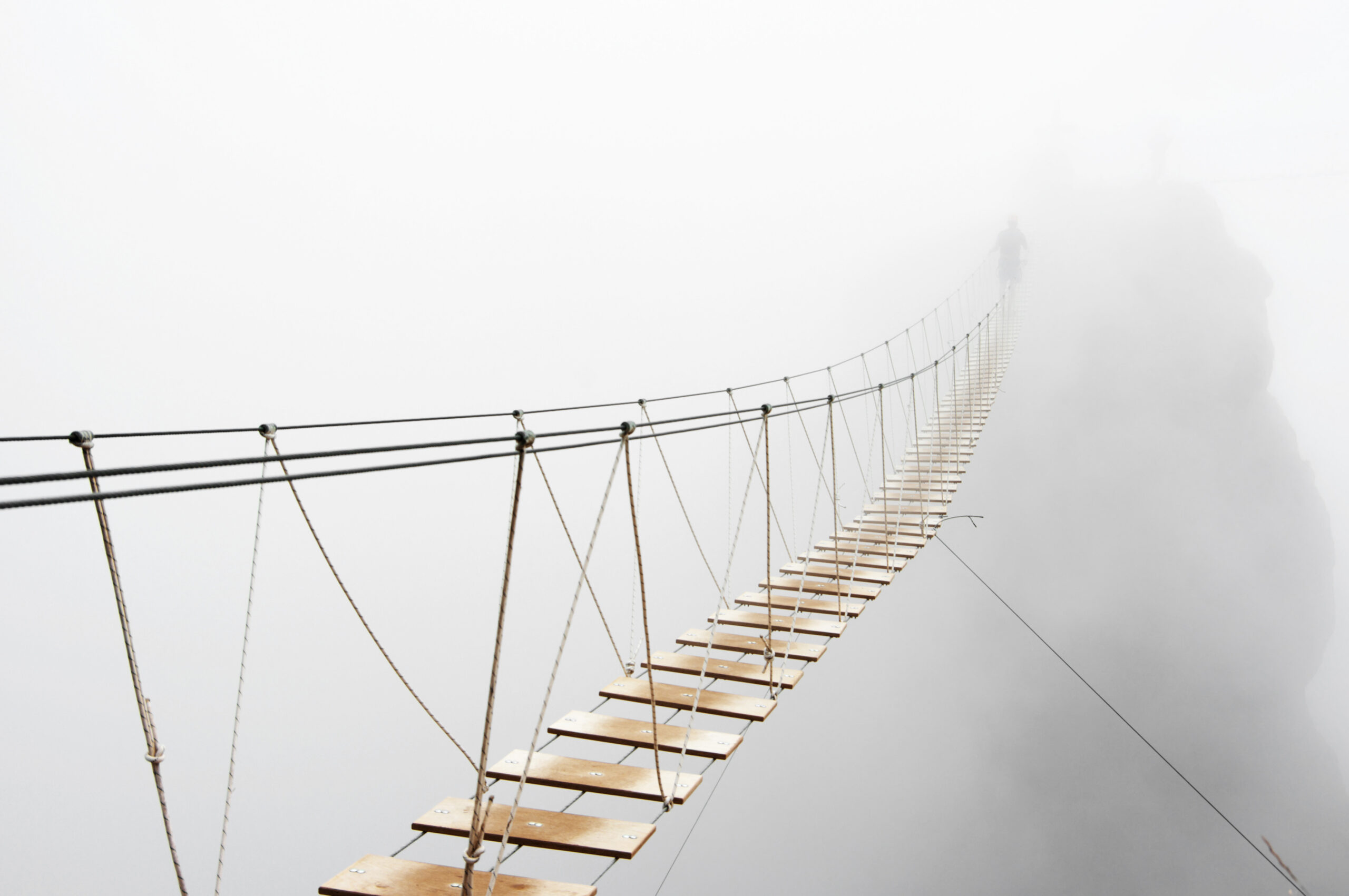
Are We in the Dark? Or Standing at the Edge of a New Beginning?
CerebraThis article, published on the occasion of the 9 December – International Anti-Corruption Day, explores the challenges of combating corruption in Türkiye, the importance of ethical leadership, and the capacity of institutions and society to bring light back even in difficult times. It highlights rising fraud risks and the growing need for transparency, offering organizations a strong ethics and compliance perspective.
Across our region, conversations about corruption—in business, government, and every layer of society—are becoming increasingly visible. Economic challenges, loss of trust, and constant uncertainty now feel like a part of everyday life. All of this sharpens the perception of corruption in the business world and places even more weight on the shoulders of the professionals who fight these risks every day.
It’s no surprise that ethical leaders and the professionals working in compliance, internal audit, and fraud examination often feel as if they are trying to find their way through darkness.
That feeling is real. The risks facing our region are real.
But that’s not the whole story.
Darkness Complicates Navigation, Not Progress
Those who work in anti-corruption know that the most difficult periods are often the ones that require the greatest effort. Reports, investigations, the burden of proof, resistance, the feeling of standing alone…
These are all part of the job.
Yet darkness also reminds us of something important:
When the light fades, uncertainty grows — but that doesn’t mean the light is gone.
Even in Difficult Times, There Are Many Reasons for Hope
Yes, we talk about increasing fraud inside companies, rising perceptions of corruption in the public sector, and greater financial pressure on individuals. The picture is not easy. But it has never been only darkness.
Because in this region:
- There are companies led by strong ethical principles.
- There are leaders who genuinely value transparency and accountability.
- A new generation is raising its voice against corruption.
- Society is demanding openness and integrity more than ever.
- And every day, countless honest professionals in ethics, compliance, internal audit, and fraud investigation continue their work quietly—but persistently.
Corruption Is Not Just a Corporate Problem — It Affects an Entire Society
Corruption is often seen as an internal issue within institutions. But its impact reaches far beyond corporate walls. When corruption surfaces, the consequences are not limited to companies; the entire society feels the weight of that darkness.
Fair competition erodes, opportunities diminish, and people lose faith in the idea that hard work leads to success.
Every lira lost to corruption ultimately becomes a burden on society.
In that sense, corruption is not only a corporate challenge—it is a force that dims the light, erodes trust, and quietly weakens the social fabric.
Fighting corruption is therefore not just a technical process. It directly affects people’s quality of life, their trust in the future, and our shared sense of justice. And the will to bring the light back does not come only from institutions—it comes from society itself.
So, Should We Stay Where We Are Just Because It Feels Dark?
Absolutely not. In fact, difficult times create the greatest opportunities for ethical leadership.
Strengthening internal controls.
Transforming internal audit from a “box-ticking exercise” into a genuinely strategic function.
Creating a culture where employees feel safe to speak up, ask questions, and raise concerns.
Seeing fraud prevention not as a cost, but as an investment in resilience and long-term value.
These are the steps that make a real difference—especially when times are tough.
And every one of them is possible. Starting today.
Final Thought
Corruption is one of the most pressing challenges on our agenda, and combating it is never easy. But ethics, transparency, and integrity have never been the work of “easy times.”
So this year, on 9 December, perhaps we should ask ourselves:
Are we really in the dark, or are we standing at the edge of a new beginning?
And let’s not forget:
*“Sometimes, when you’re in a dark place, you think you’ve been buried; in fact, you’ve been planted.”