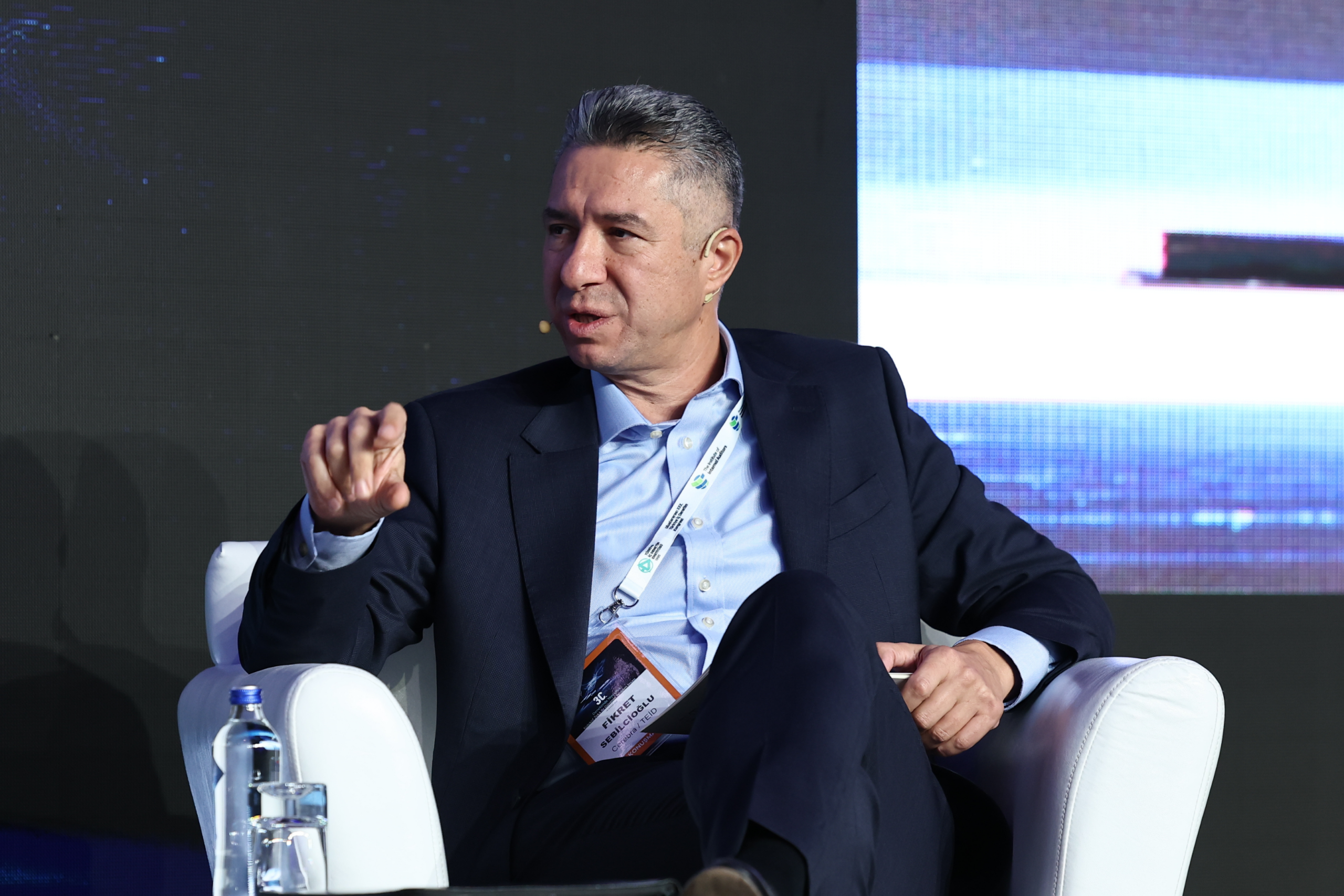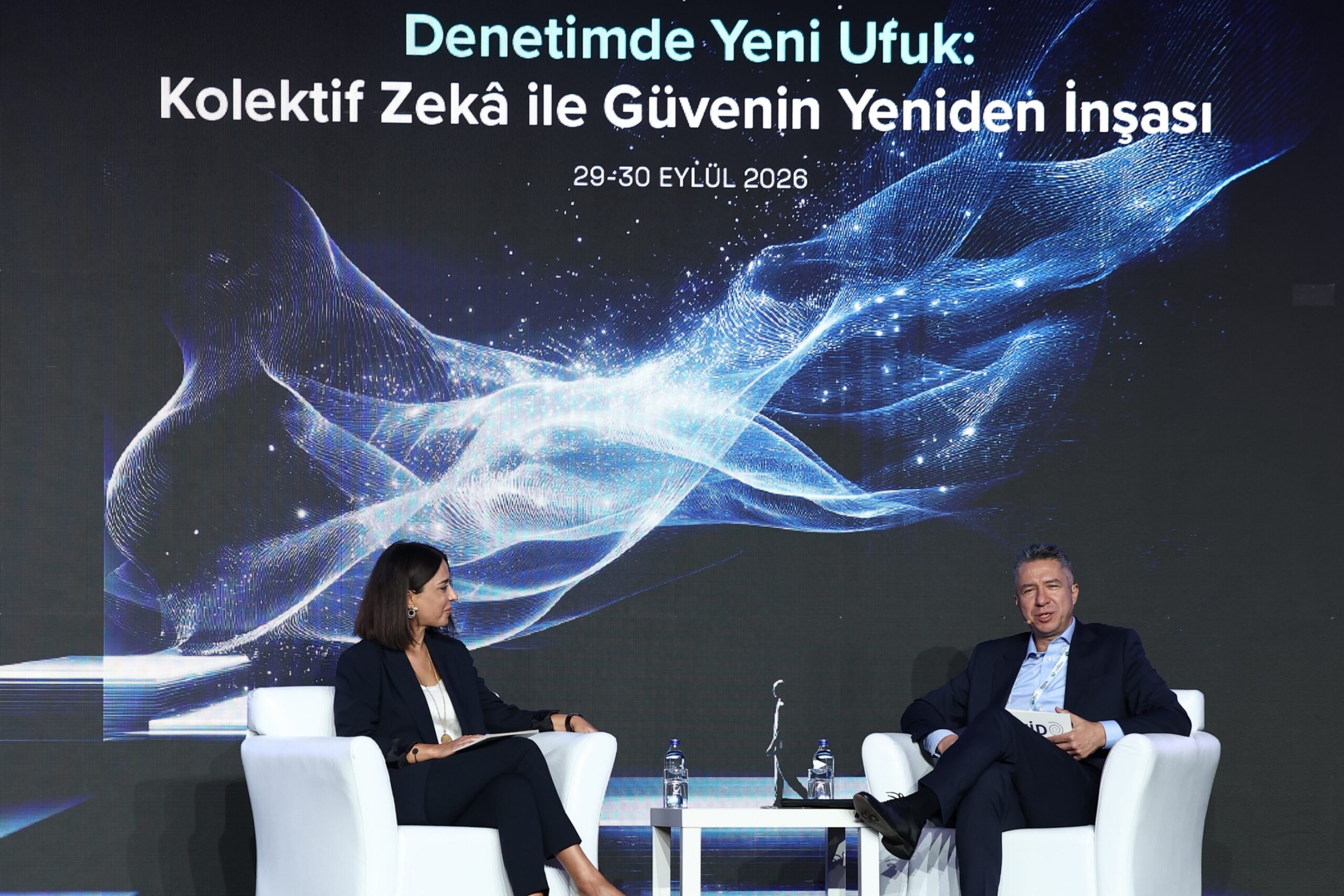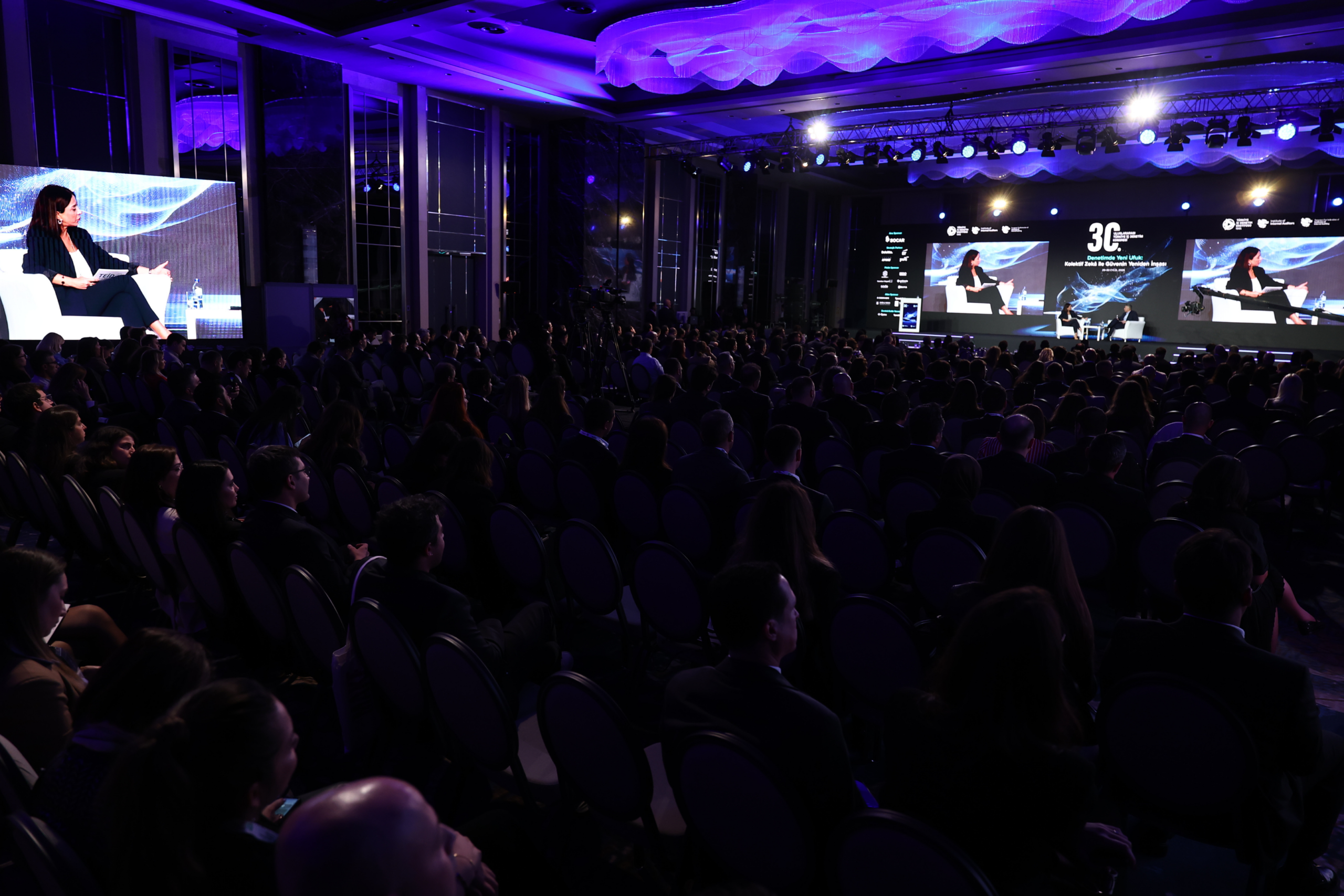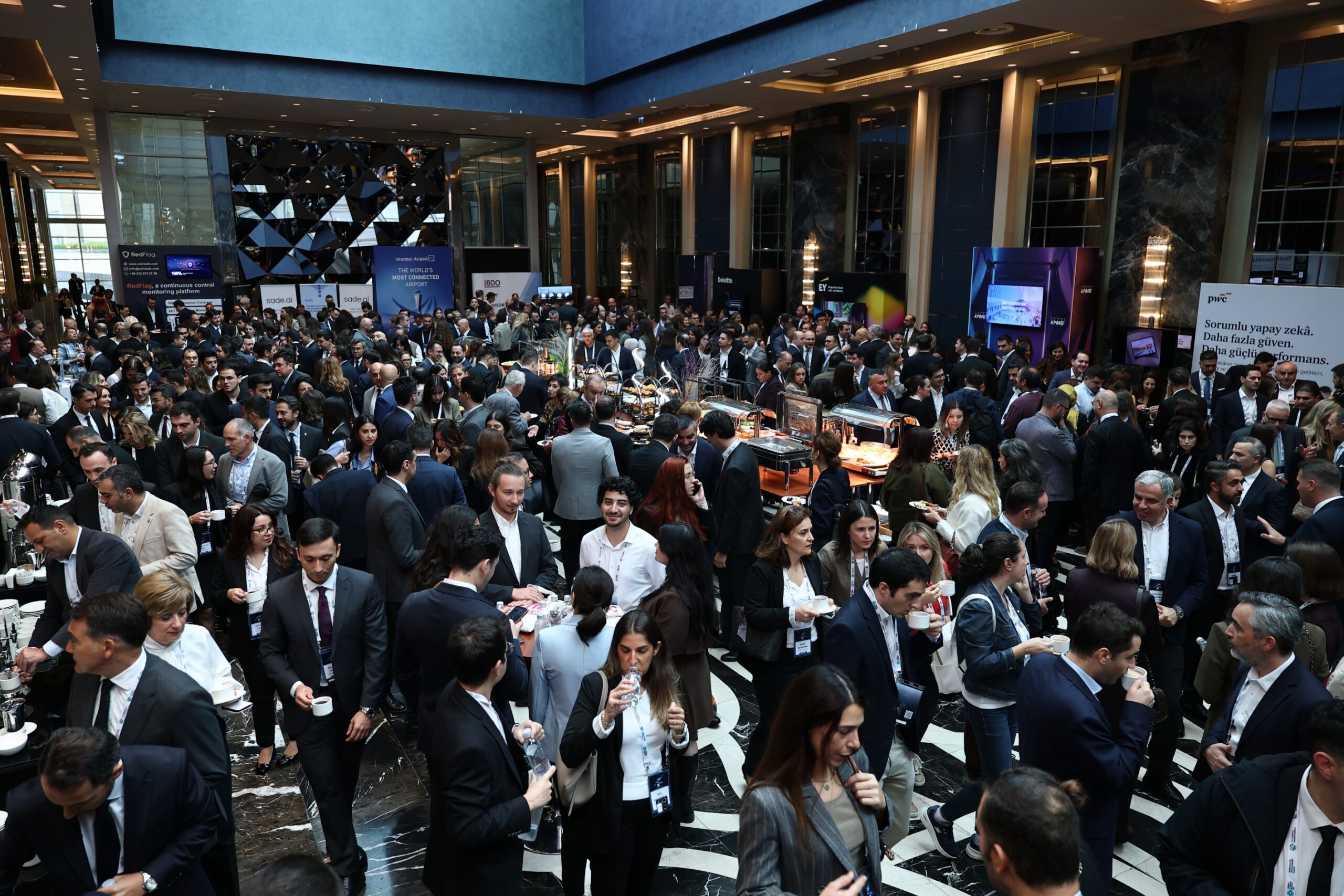
Fikret Sebilcioğlu at the 30th International Türkiye Internal Audit Conference
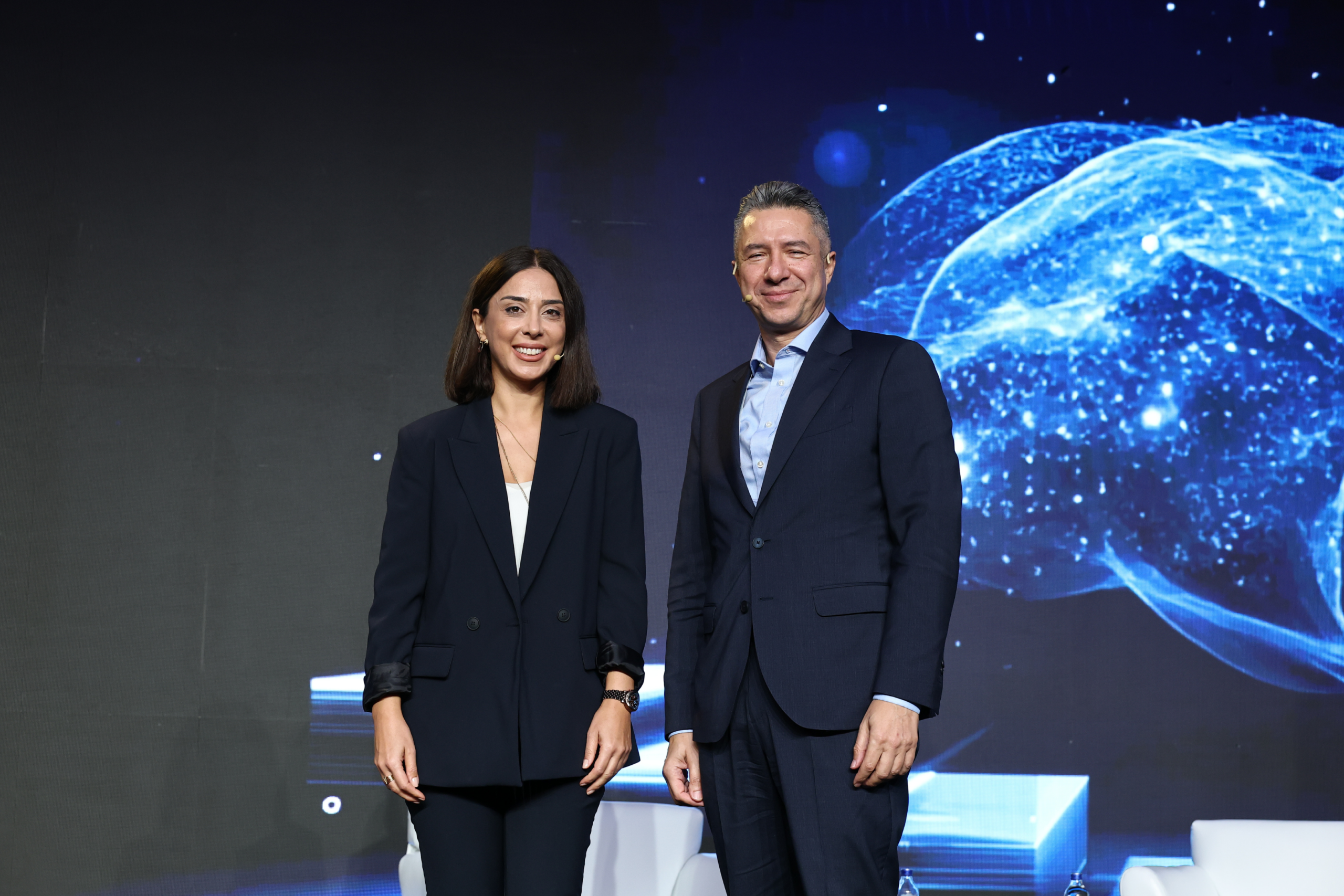
CerebraFikret Sebilcioğlu participated as a panelist in “Grey Areas: Ethics, Fraud and Corporate Responses Under Pressure” at the 30th International Türkiye Internal Audit Conference.
Fikret Sebilcioğlu, Founder & CEO of Cerebra, participated as a panelist in “Grey Areas: Ethics, Fraud and Corporate Responses Under Pressure” at the 30th International Internal Audit Congress of Türkiye.
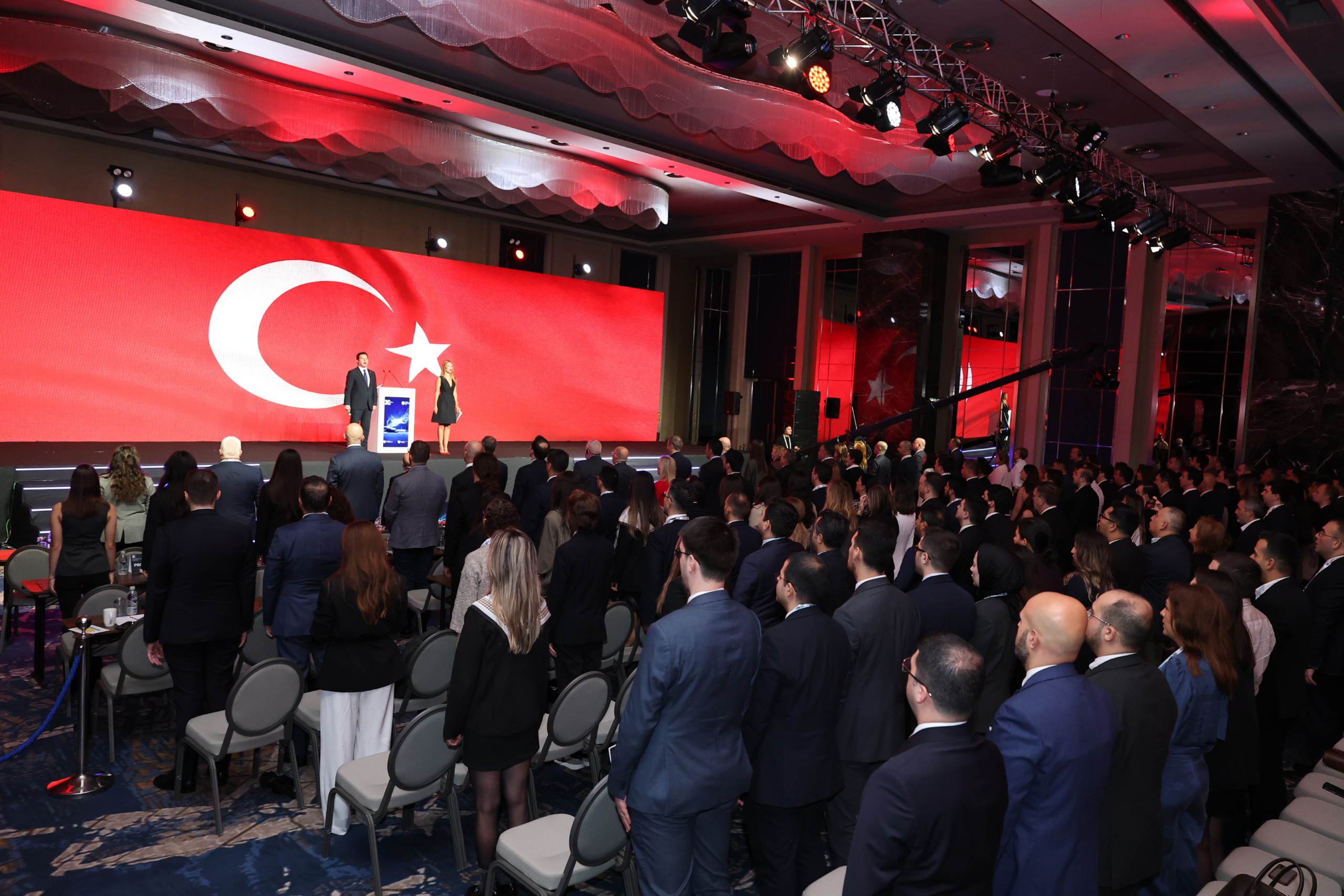
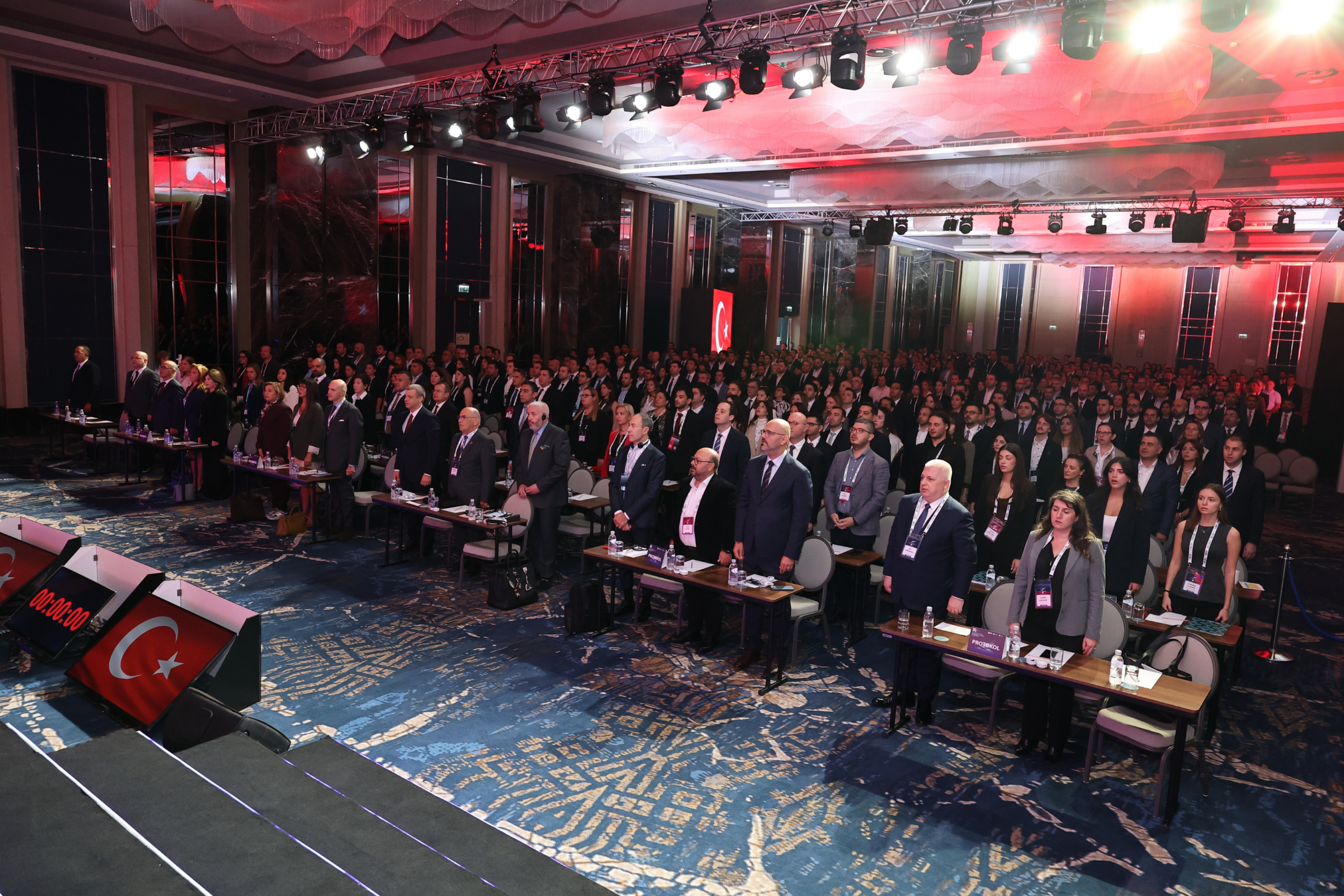
At the 30th International Türkiye Internal Audit Conference, held on 29–30 September 2026, the panel “Grey Areas: Ethics, Fraud and Corporate Responses Under Pressure” explored ethical dilemmas encountered in the workplace, the personal and organizational pressures employees face, and the circumstances under which these pressures may translate into fraud risk.
Representing the Ethics and Reputation Society (TEİD), Fikret Sebilcioğlu and Aslı Ertekin, Ethics & Compliance Director at bp, discussed the topic through real-life business examples and fraud cases. The discussion examined how pressures arising from performance and financial targets, economic conditions, personal financial difficulties, and career concerns can influence ethical decision-making. The panel also highlighted how behaviors that may initially appear minor or exceptional can, through rationalization, normalization, and repetition, gradually develop into established patterns of conduct and increase exposure to fraud risk.
Another key focus of the panel was how organizations initially respond to suspected fraud or whistleblowing reports. It was emphasized that the way an allegation is handled affects not only the management of the immediate case but also employees’ confidence in speaking up about future misconduct. In this context, the importance of strong internal controls, trusted whistleblowing mechanisms, and effective collaboration among internal audit, ethics, and compliance functions was discussed.
The panel’s central message was clear: Ethical culture is shaped not only by policies and procedures, but also by the decisions organizations make under pressure and uncertainty, and by how they respond to allegations of ethical misconduct.
We were pleased to take part in this valuable gathering, which provided an opportunity for insightful discussions and a productive exchange of perspectives.