Secret Arrangements: Bribery and Bid Rigging
CerebraBid rigging and bribery pose serious legal, financial, and reputational risks for companies. In this article, Cerebra examines these risks and preventive measures with a focus on Türkiye (Turkey).
We will address a critical issue frequently encountered in the business world and regarded as one of the most serious ethical and legal violations: bid rigging. In this article, we discuss what such misconduct entails, its impact on businesses and society, and how it can be effectively prevented and addressed. We begin by defining the concept of bid rigging.
What Is Bid Rigging?
Bid rigging refers to a set of fraudulent and unlawful actions carried out in public or private sector tenders with the intention of manipulating the tender process. Such actions undermine fair competition and are typically designed to ensure that a specific individual or company wins the tender. Bid rigging may take various forms, including bribery, leakage of confidential information, and manipulation of pricing or bid terms.
Bid rigging has far-reaching consequences for both society and markets. These consequences include injustice, erosion of trust, economic losses, and reputational damage. From a legal perspective, bid rigging is subject to severe sanctions, including monetary fines, imprisonment, and dismissal from employment. One of the most striking examples is the case in China where a former executive of a state-owned asset management company was sentenced to death after being convicted of bribery and abuse of office.
How Can We Combat Bid Rigging?
Organizations should clearly define their ethical standards and provide regular training to employees on these principles. Ethics training raises awareness of misconduct risks and helps employees recognize and resist unethical behaviour.
Transparency in tender processes and other critical decision-making procedures is essential to reducing the risk of bid rigging. Companies should establish accountability mechanisms to ensure that every stage of the process is traceable and subject to oversight. In addition, targeted control measures should be embedded into procurement processes. Examples include:
- Enhancing competition: Avoiding unnecessary restrictions in tender specifications and encouraging participation from a broader supplier base.
- Conflict of interest controls: Requiring procurement committee members and purchasing staff to submit conflict of interest declarations.
- Strengthening internal control systems: Implementing effective segregation of duties, approval mechanisms, and robust reporting structures.
- Standardized tender procedures: Establishing written, transparent, and accessible standard procedures for all tenders.
- Segregation of duties: Ensuring that individuals responsible for preparing tender specifications, evaluating bids, and approving awards are different.
To encourage the reporting of unethical conduct such as bribery and bid rigging, secure and confidential whistleblowing channels should be established. Employees must be able to report concerns without fear of retaliation.
Legal regulations and sanctions must also be rigorously enforced to combat bribery and bid rigging. Effective enforcement serves as a strong deterrent and plays a critical role in preventing such misconduct.
Türkiye (Turkey) Perspective: A High-Risk Environment
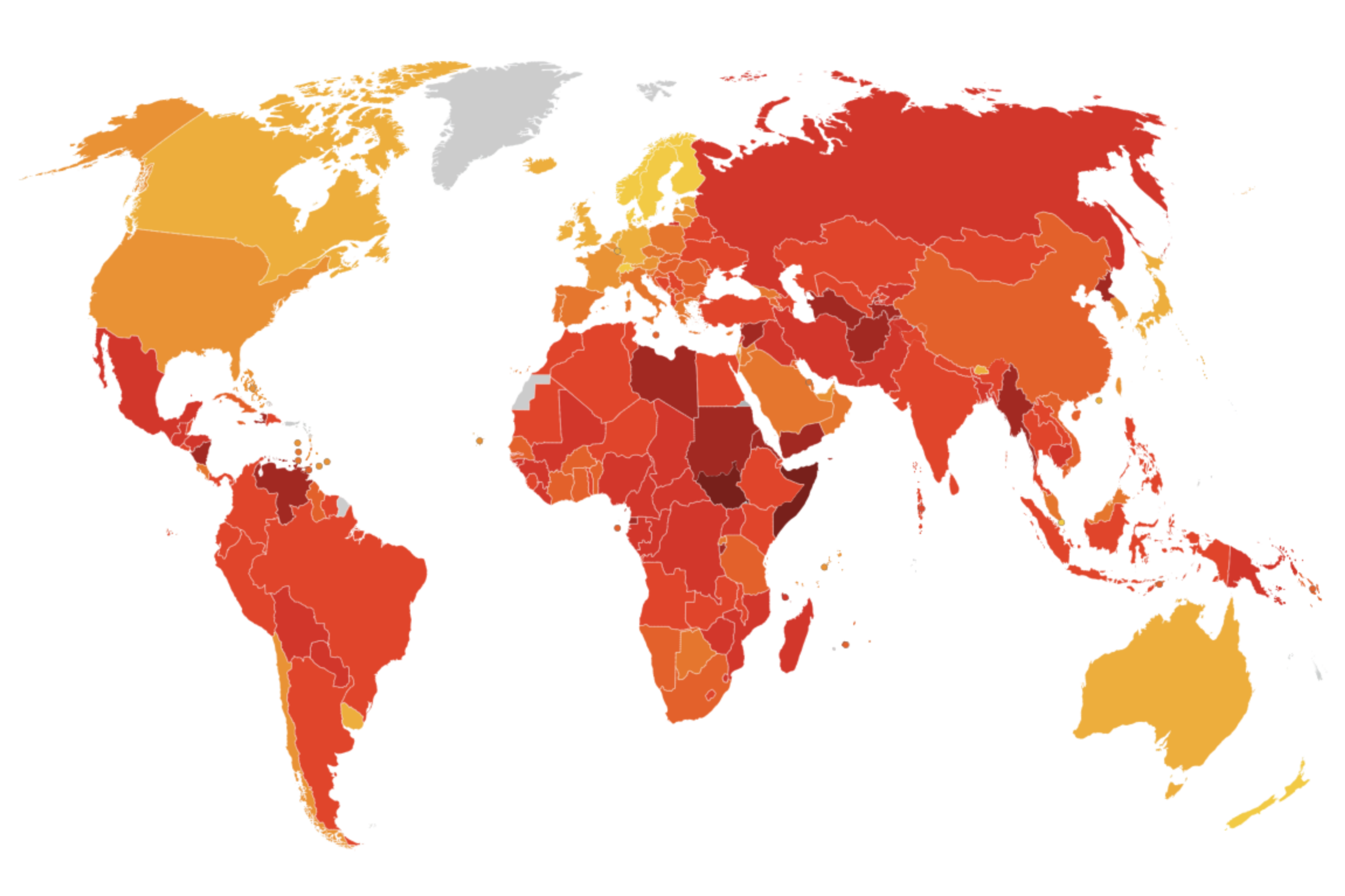
When assessed in the context of Türkiye (Turkey), bribery and bid rigging have long stood out as structural risk areas across both the public and private sectors. The Corruption Perceptions Index (CPI) published by Transparency International indicates an unfavorable trend in the perception of public-sector corruption in Türkiye, highlighting elevated risks within tender processes and public–private interactions.
Moreover, an analysis of the global fraud reports published by the Association of Certified Fraud Examiners (ACFE) shows that bribery and corruption rank among the most prevalent forms of occupational fraud in the region in which Türkiye (Turkey) is located. This landscape demonstrates that the risk of bid rigging is not limited to isolated incidents but rather represents a systemic issue reinforced by broader cultural and structural factors.
Within this framework, bribery and bid-rigging risks constitute significant compliance and reputational threats for companies operating in Türkiye—particularly foreign-owned and multinational organizations. For companies subject to international regulatory regimes such as the FCPA, the UK Bribery Act, and similar legislation, accurately assessing local risk exposures, establishing robust internal control frameworks, closely monitoring tender and procurement processes, and embedding an effective ethics and compliance culture are no longer optional, but essential.
Case Insight from an Investigation
In one tender we examined as part of an investigation, we identified that the lowest submitted bid had been deliberately excluded from the process by the company’s general manager. Our detailed analysis revealed that the general manager had orchestrated the tender to favoura company established by close relatives. We also determined that pressure was exerted on procurement department staff in an attempt tonormalize this misconduct within the organization.
Conclusion
Bribery and bid rigging are among the most serious ethical and legal violations encountered in the business world. Such practices undermine fairness and trust, lead to significant economic losses, and cause substantial reputational damage. However, through the strict enforcement of ethical standards, the establishment of transparency and accountability mechanisms, the implementation of effective whistleblowing systems, and the conduct of regular audits, organizations can combat these risks effectively. Promoting integrity and fairness in business ultimately benefits all stakeholders.