Fikret Sebilcioğlu Discusses the Fraud Perception Study 2026 on CNBC-e’s Strategy Desk
CerebraThe findings of the Fraud Perception in the Business World Study 2026 were discussed on CNBC-e’s Strateji Masası, focusing on economic pressures, ethical leadership, corporate trust, whistleblowing mechanisms, and digitalization.
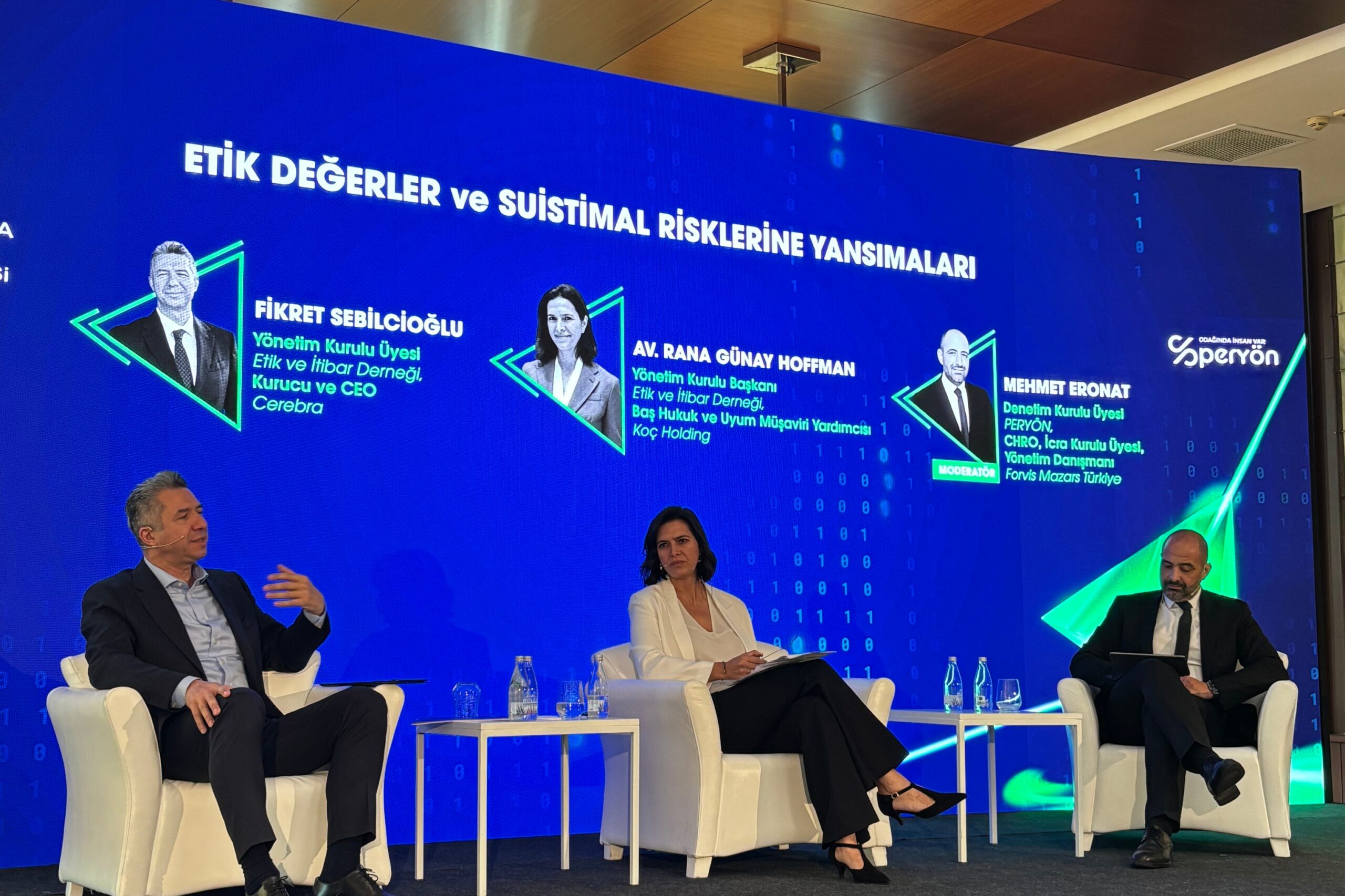
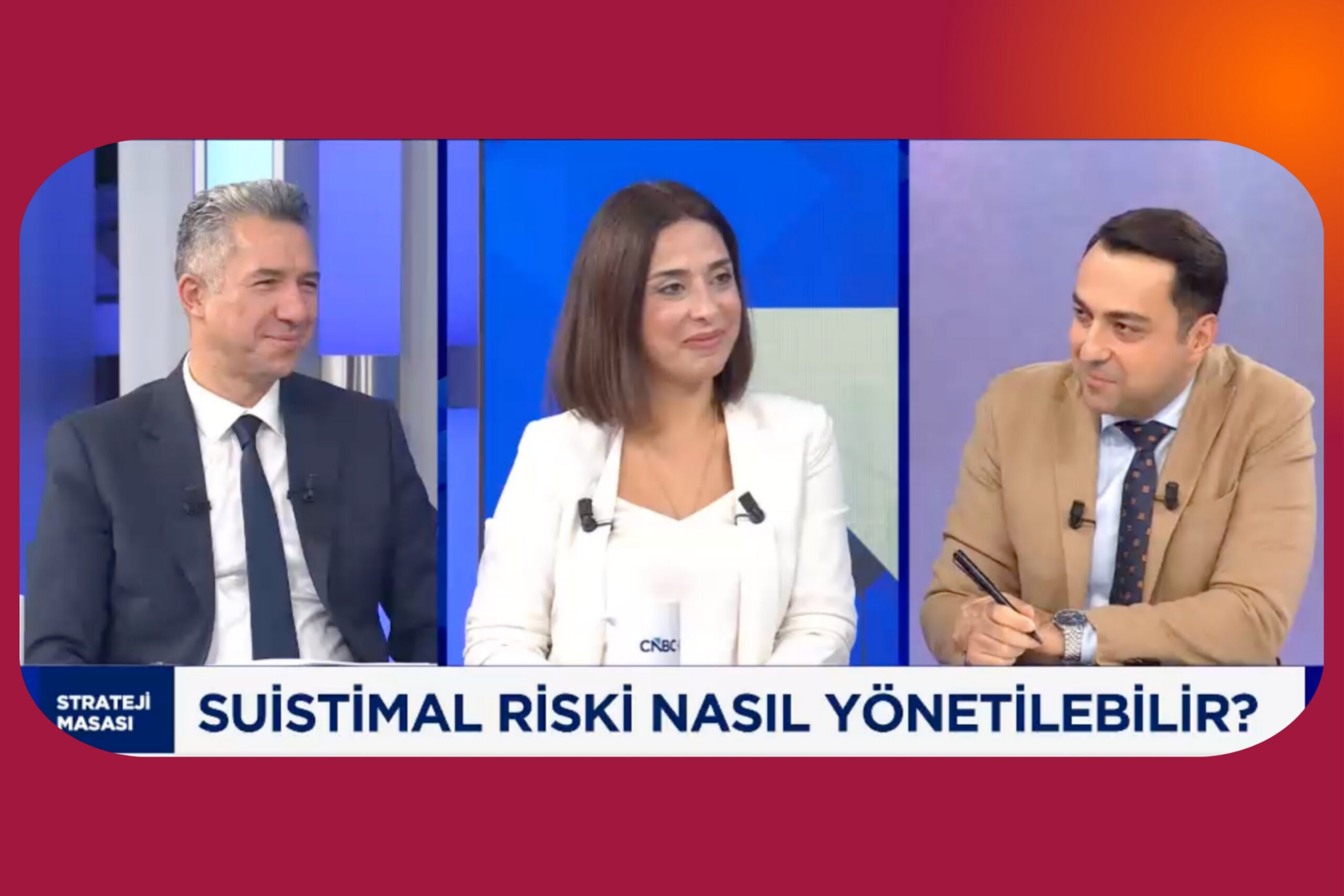
Fikret Sebilcioğlu, Founder and CEO of Cerebra, and Aslı Ertekin, Vice Chair of the Ethics and Reputation Society (TEİD) and Ethics & Compliance Director at bp, appeared on CNBC-e’s “Strategy Desk” program, hosted by Dr. Ceyhun Emre Doğru, on 13 October 2026. The discussion focused on key findings from the Fraud Perception in the Turkish Business Community 2026 Study.
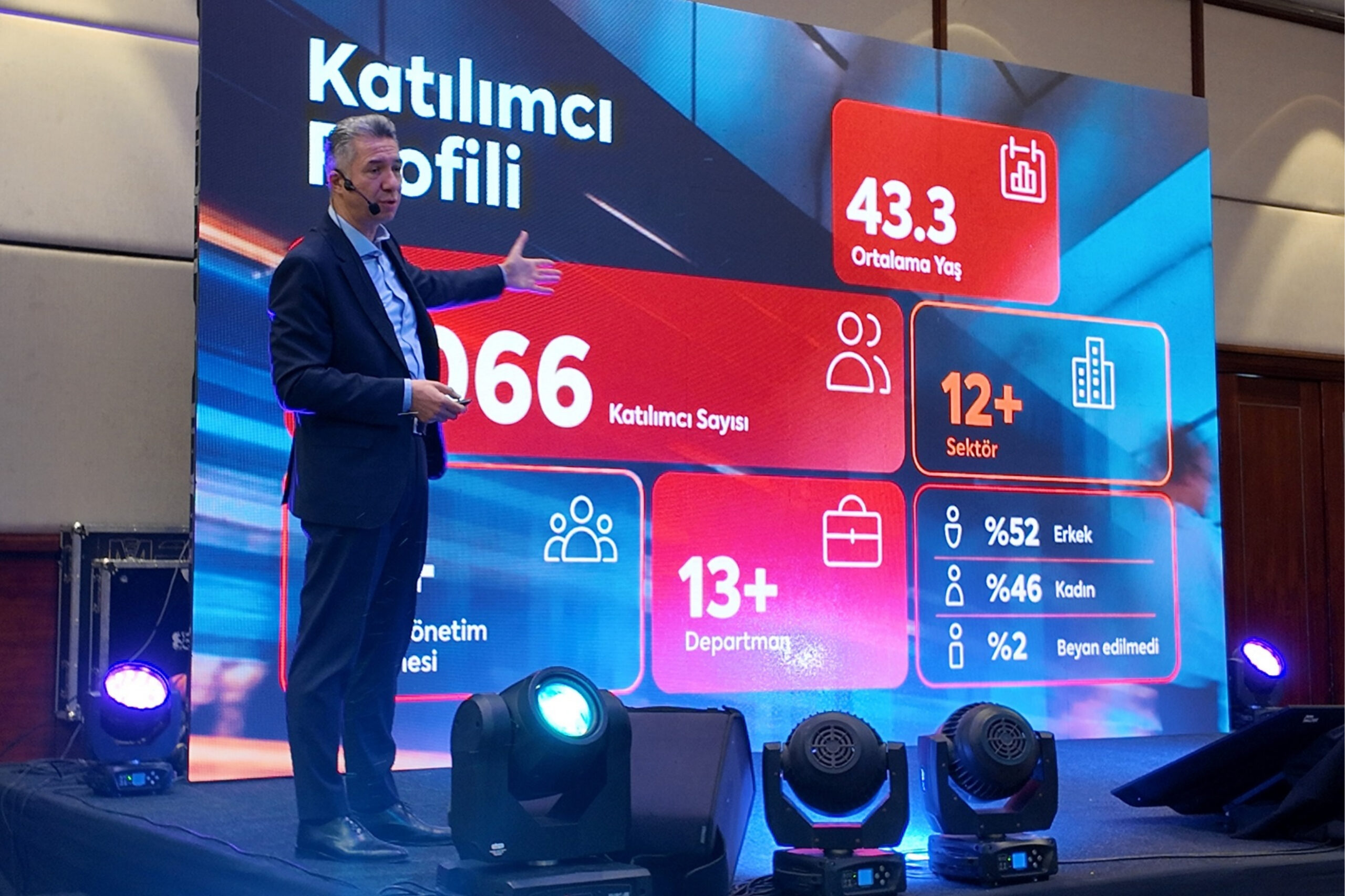
The study, which brought together the views and experiences of 1,066 professionals from different industries and organizational levels across Türkiye, provides valuable insights into economic pressures, fraud risks, ethical leadership, corporate trust, internal controls and whistleblowing practices.
Drawing on the findings of the Fraud Perception in the Turkish Business Community 2026 Study, the discussion explored the impact of economic pressures on fraud risks, the factors that may drive employees to commit fraud, and the types of fraud perceived as most prevalent in the Turkish business community. Particular attention was given to income inequality, financial pressures, bribery and conflicts of interest.
Ethical leadership, corporate trust and whistleblowing mechanisms were also central to the discussion between Fikret Sebilcioğlu and Aslı Ertekin. Key topics included differences in perceptions of ethical culture between senior management and middle management, the extent to which ethical principles are reflected in everyday business practices, employees’ concerns about reporting misconduct, and the broader impact of fraud on organizational reputation and trust beyond financial losses.
The program also explored the risks associated with digitalization, the role of data analytics in the early detection of fraud, the effectiveness of internal controls, and the contribution of ethical leadership to fraud prevention. A key takeaway was that fraud risk awareness must be supported by strong internal controls, trusted whistleblowing mechanisms and concrete organizational practices.
At Cerebra, we believe that sharing the findings of this study, a joint initiative with TEİD, with a wider audience is an important step toward encouraging more open discussions about fraud risks in Türkiye and promoting proactive measures within organizations.
You can access the Fraud Perception in the Turkish Business Community 2026 Study report here.
You can watch the recording of CNBC-e’s Strategy Desk program here.