Exploring the Hidden Side of Fraud at Cerebra Talks
CerebraIn the 13th edition of Cerebra Talks, experts explored findings from the Fraud Perception in the Turkish Business Community 2026 Study. The discussion examined a range of critical issues, including how economic pressures, ethical leadership, whistleblowing mechanisms, and data analytics influence fraud risks and corporate trust in Türkiye.
In the 13th session of our Cerebra Talks series, we explored the key findings of the “Fraud Perception in the Turkish Business Community 2026” study. From economic pressures and ethical leadership to whistleblowing mechanisms and emerging risks associated with digitalisation, we discussed a range of important issues from different perspectives.
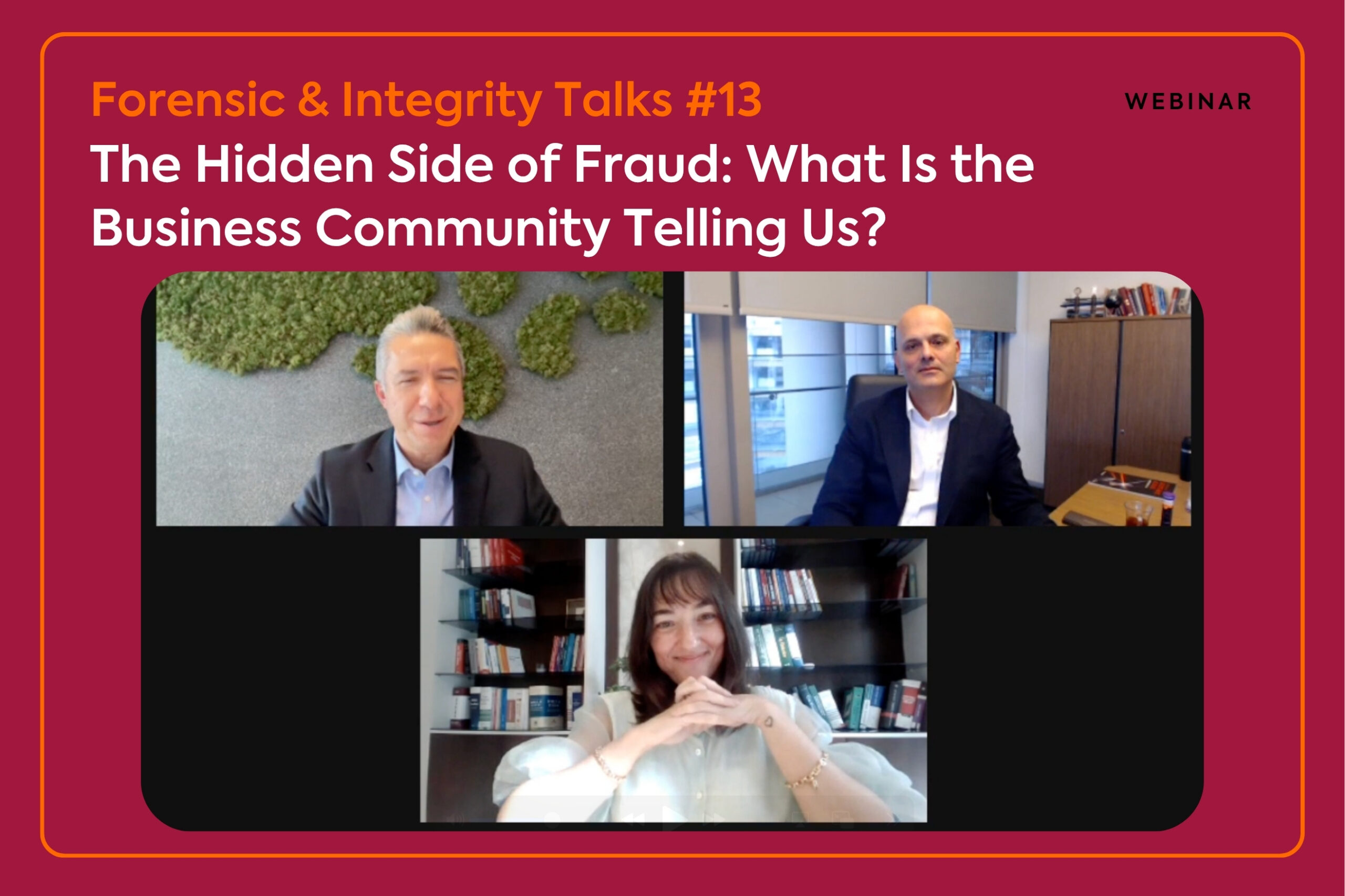
On 22 October 2026, we hosted an online session titled “The Hidden Side of Fraud: What Is the Business Community Telling Us?” Our guest speakers were Erhan Fatih Anlar, Vice President Responsible for Internal Audit at Kibar Holding, and Tuğçe Zeren, Legal and Compliance Manager at HDI Fiba Emeklilik and Fiba Sigorta. The discussion was moderated by Fikret Sebilcioğlu, Founder and CEO of Cerebra.
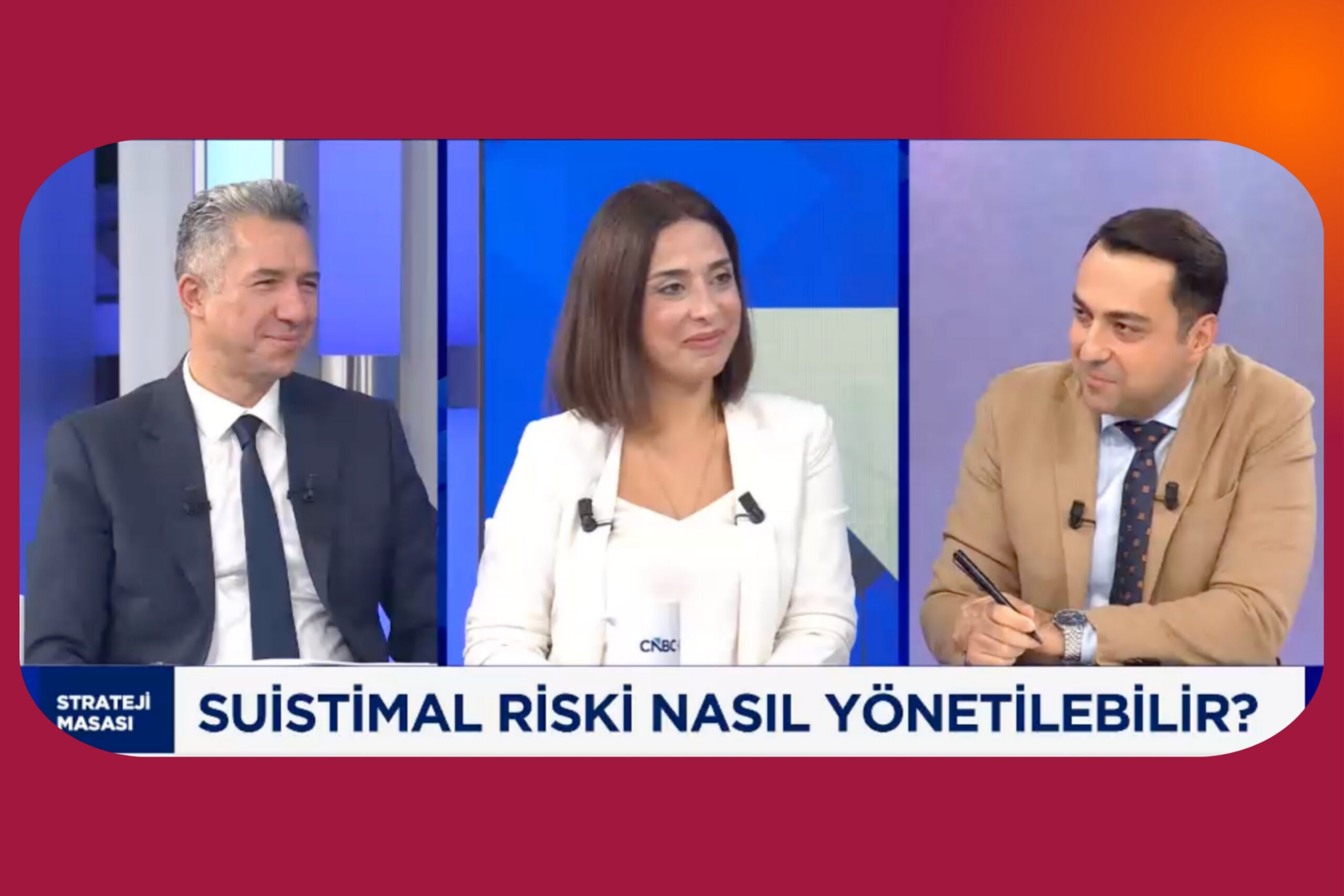
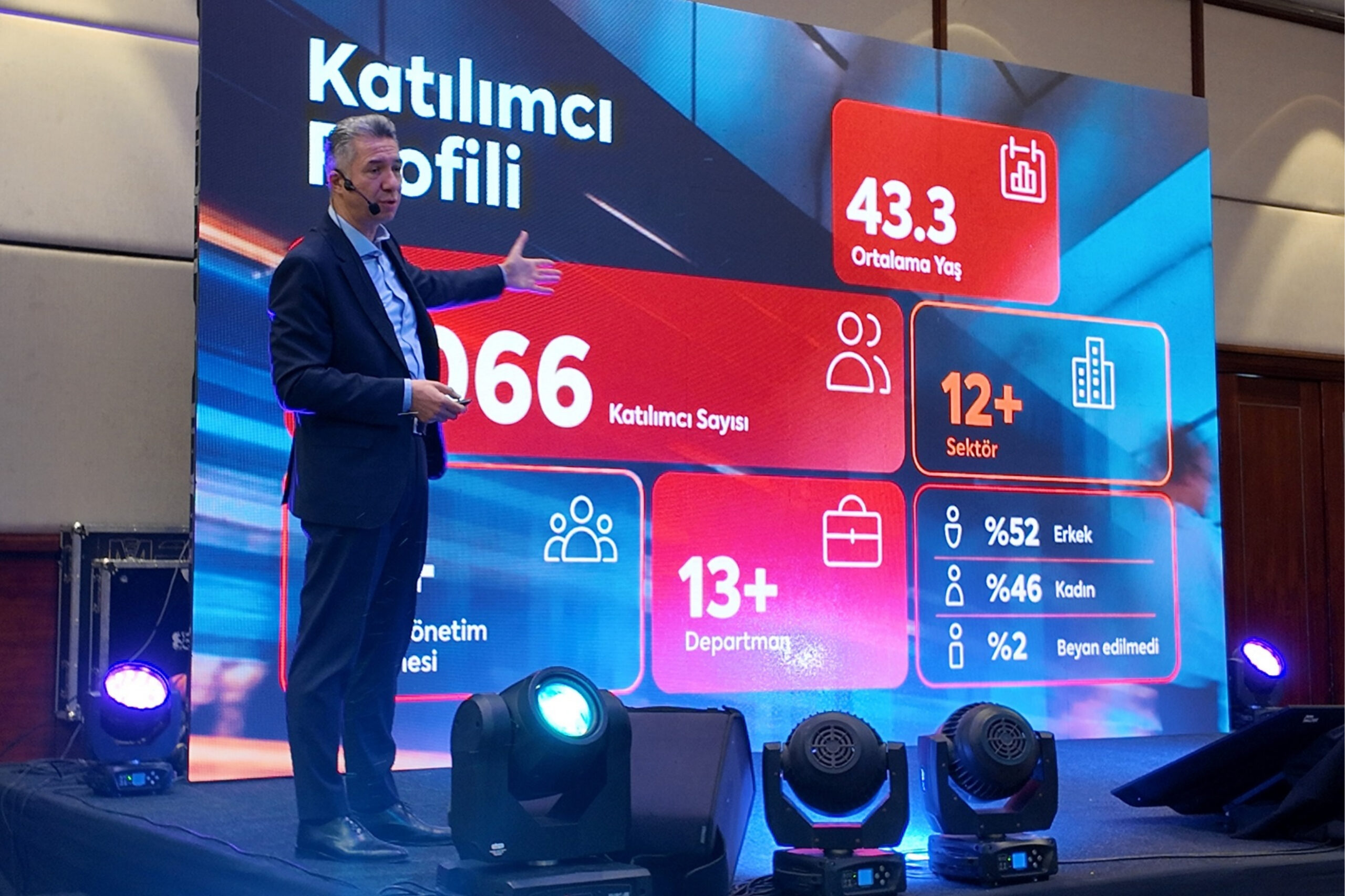
The event featured a discussion of the findings of the Fraud Perception in the Turkish Business Community 2026 Study, a joint initiative by Cerebra and the Ethics and Reputation Society (TEİD), conducted by FutureBright Group with the participation of 1,066 professionals. The discussion focused on how well companies understand fraud risks and what they can do to prevent and address them more effectively.
Economic Pressures and Evolving Fraud Risks
The discussion began with the impact of economic conditions on employee decision-making and corporate control environments. The study found that 63% of respondents believe current economic conditions increase fraud risk, highlighting the importance of this issue.
Erhan Fatih Anlar addressed how organisations assess fraud risks from an internal audit perspective. The discussion highlighted the importance of looking beyond general operational risk assessments to identify fraud-specific risks and strengthen internal controls in response to changing economic conditions.
Tuğçe Zeren brought a different perspective, exploring how economic and organisational pressures can influence employee behaviour, workplace relationships, and corporate culture.
Trust Is at the Heart of Effective Whistleblowing
One of the key topics was the gap between employees’ stated willingness to report misconduct and their actual reporting behaviour.
According to the study, while 95% of respondents said they would report an ethical violation, only 55% of those who had witnessed suspected fraud used formal reporting channels.
With Tuğçe Zeren’s contributions, the discussion explored why employees may prefer to raise concerns with managers or colleagues rather than through formal channels, how fears of retaliation and confidentiality concerns affect reporting decisions, and how organisations can create an environment where employees feel safe speaking up.
A central point was the difference between having a whistleblowing channel and building the trust employees need to use it.
Digitalisation, Data Analytics and Remote Working
The role of data analytics in fraud detection was another important topic discussed with Erhan Fatih Anlar. Although 87% of respondents recognised the importance of data analytics, only 9% considered it the most effective method of detecting fraud. This gap led to a discussion about data quality, technical capabilities, and how internal audit practices can evolve to address emerging fraud risks.
Both speakers also shared their perspectives on how remote working affects internal controls, employee behaviour, and ethical culture.
Ethical Leadership Must Go Beyond Words
Another important theme was the difference between how senior management and middle management perceive their organisation’s ethical culture. With Tuğçe Zeren’s contributions, the discussion examined how employees experience the ethical messages communicated by leadership, and how organisational hierarchies and performance pressures can influence ethical decision-making.
The finding that nearly half of respondents believe ethical standards may be compromised under performance pressure raised an important question: how can companies ensure that ethical principles are upheld, particularly when commercial targets become more demanding?
Turning Awareness into Action
A central theme of the 13th Cerebra Talks session was that awareness of fraud risks, on its own, is not enough. Throughout the discussion, we explored how ethical leadership, trusted whistleblowing mechanisms, effective internal controls, data analytics, and conflict of interest management can become part of everyday business practices.
One of the key takeaways was that fighting fraud is not only about detecting misconduct after it occurs. It is also about understanding risks early, building a culture of trust, and strengthening preventive measures before problems arise.
We would like to thank our speakers, Erhan Fatih Anlar and Tuğçe Zeren, for sharing their valuable insights, and everyone who joined us for the session.
To watch the full recording of our webinar, “The Hidden Side of Fraud: What Is the Business Community Telling Us?” please click here.