Fikret Sebilcioğlu Discusses Ethical Leadership, Corporate Trust and Fraud Risks at the PERYÖN Congress
CerebraFikret Sebilcioğlu discussed findings from the Fraud Perception in the Turkish Business Community 2026 Study at the PERYÖN Congress. The session explored gaps between the perception and practice of ethical leadership, the importance of trust in whistleblowing mechanisms, corporate trust, and the role of ethical values in the evolving workplace.
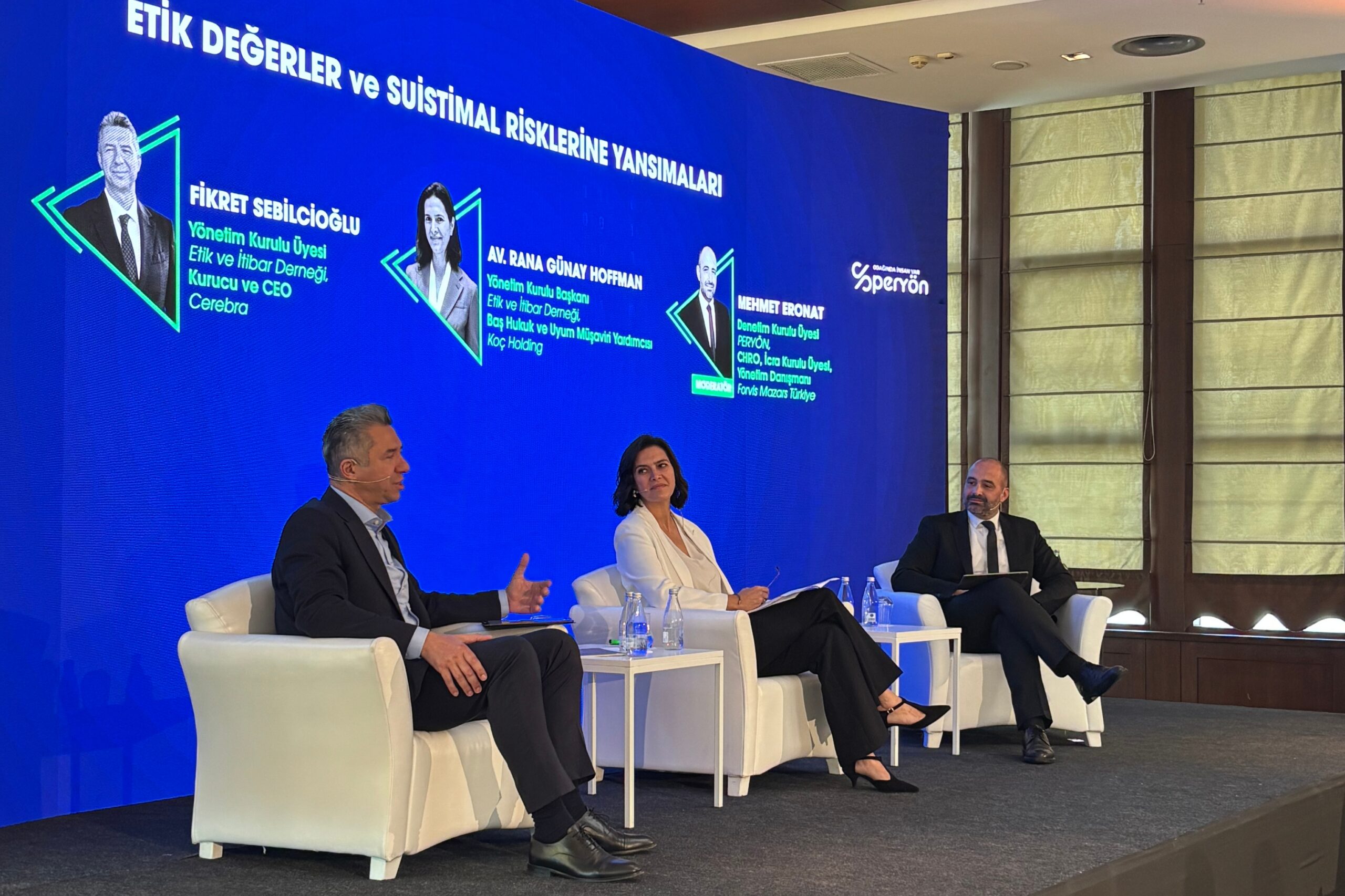
Fikret Sebilcioğlu, Founder and CEO of Cerebra, shared insights on ethical leadership, corporate trust and fraud risks at the 34th People Management Congress, organized by PERYÖN under the theme “Reflection,” drawing on findings from the Fraud Perception in the Turkish Business Community 2026 Study.
The Congress, organized by PERYÖN (Turkish People Management Association), took place on 20–21 October 2026 at the Haliç Congress Center in Istanbul. Held under the theme “Reflection,” the congress explored the changing world of work, evolving leadership approaches, organizational culture and the future of people-centered management.
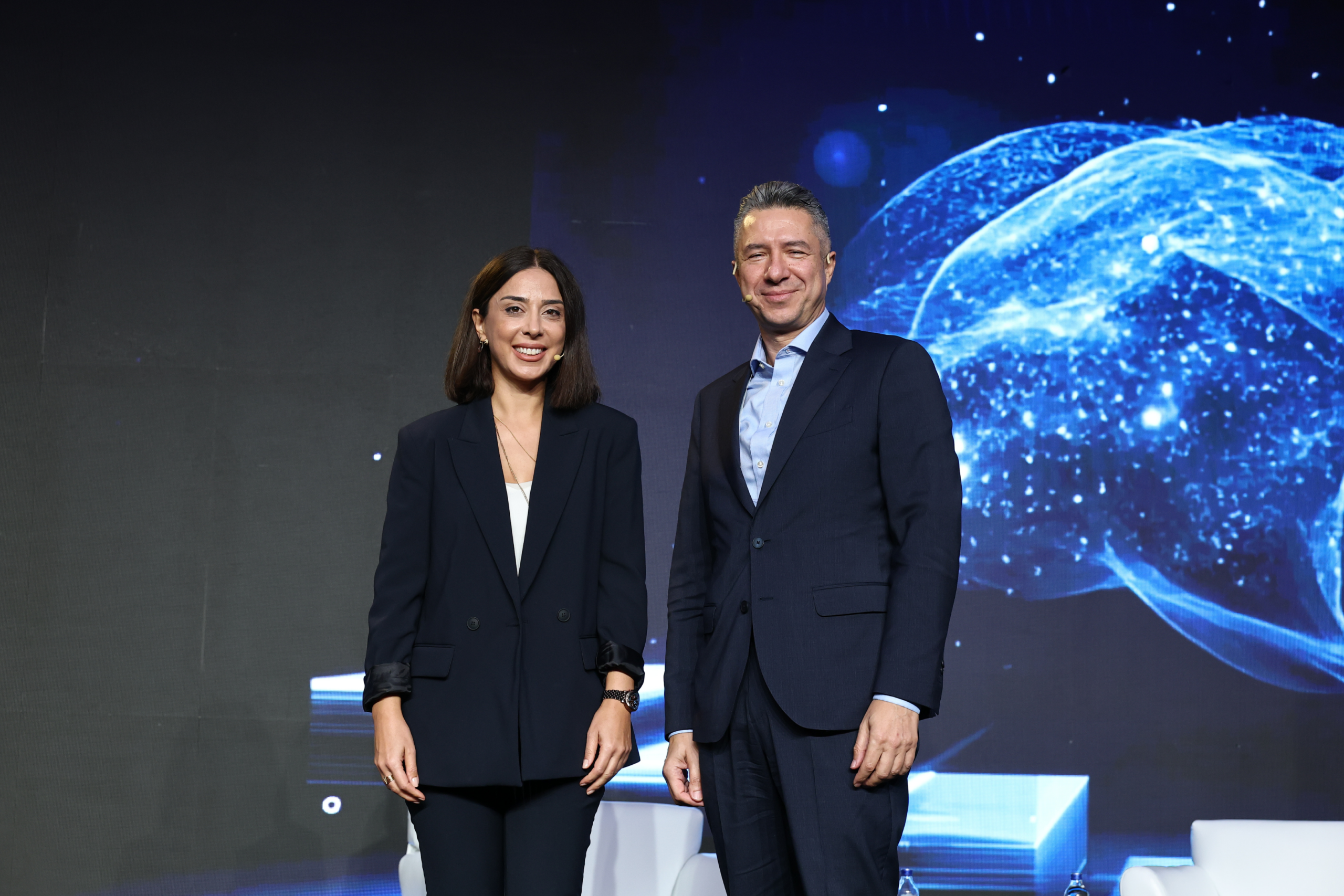
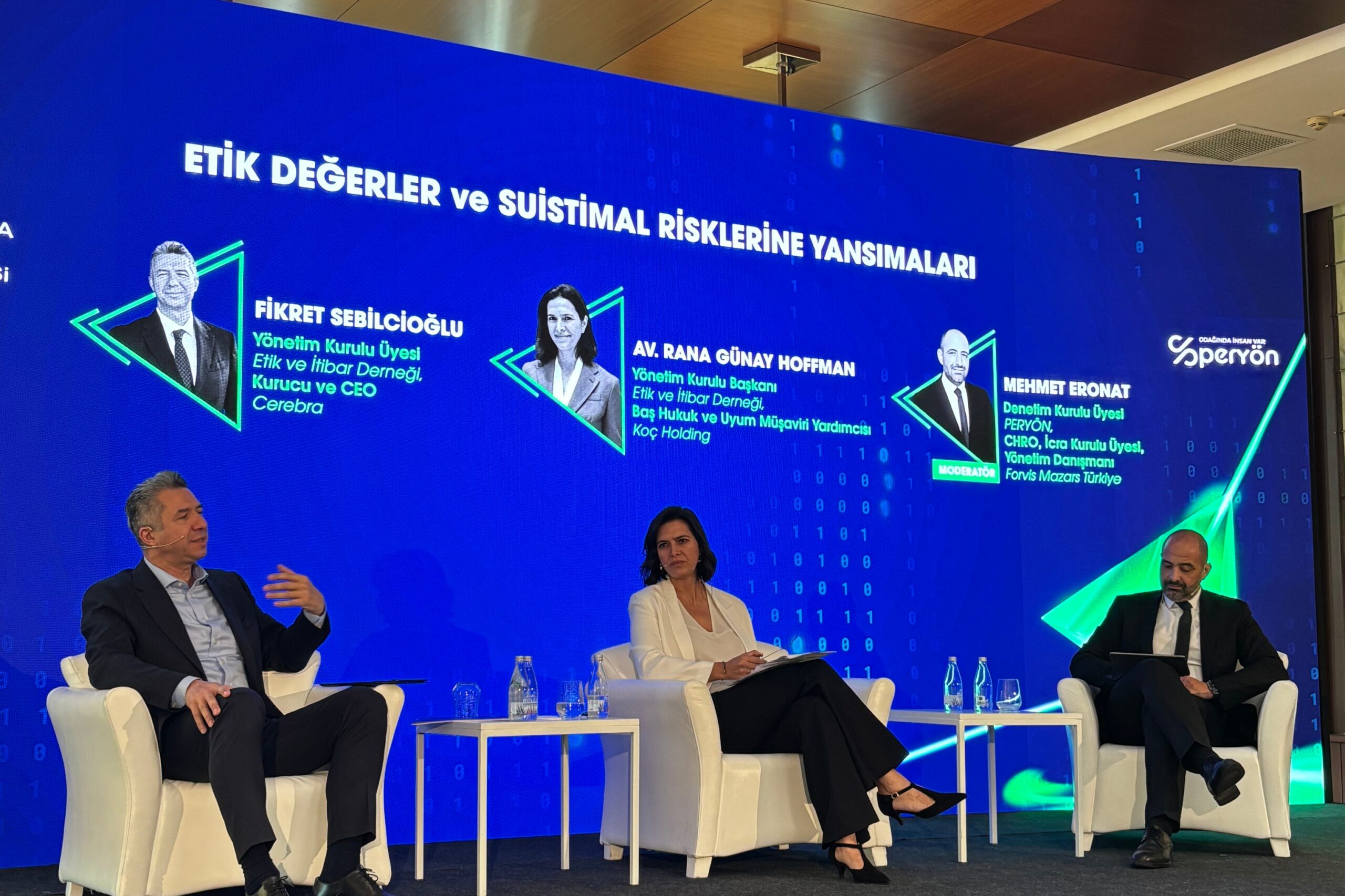
During the session titled “Ethical Values and Their Impact on Fraud Risks,” Fikret Sebilcioğlu, Founder and CEO of Cerebra and Board Member of the Ethics and Reputation Society (TEİD), joined Av. Rana Günay Hoffman, Chair of TEİD, as a speaker. The session was moderated by Mehmet Eronat.
The Gap Between Perception and Practice in Ethical Leadership
Drawing on findings from the Fraud Perception in the Turkish Business Community 2026 Study, a joint initiative by Cerebra and TEİD, conducted by FutureBright Group with the participation of 1,066 professionals, Fikret Sebilcioğlu discussed how ethical values are perceived across different organizational levels.
According to the study, 82% of senior management respondents viewed ethical leadership positively, compared with only 63% of middle managers and professionals.
Sebilcioğlu highlighted that this difference may reflect how senior management tends to assess ethical culture through established policies and leadership messages, while middle management experiences these values through everyday decisions and practices.
He also emphasized the important role of internal audit, compliance, risk management and legal functions in identifying and bringing to light the gaps between management’s perceptions and employees’ actual experiences.
Trust: The Key to Effective Whistleblowing
Another important topic was the gap between employees’ intentions to report misconduct and their actual reporting behavior.
The study found that while 95% of respondents expressed an intention to report an ethical violation, only 55% of those who had witnessed fraud used formal reporting channels. Furthermore, 98% believed that deliberate concealment of fraud by management would negatively affect their trust in the organization.
Sebilcioğlu noted that these findings underline the critical role of trust in the effectiveness of whistleblowing mechanisms. He stressed the importance of creating an organizational culture in which employees feel safe to speak up without fear of retaliation, and where reports are addressed fairly and consistently.
Ethical Values in a Changing Workplace
Av. Rana Günay Hoffman discussed how artificial intelligence, multigenerational workplaces and evolving leadership expectations are shaping ethical culture. The discussion explored the importance of preserving core ethical principles while adapting organizational practices to the changing needs of the workplace.
Turning Awareness into Action
A key message from the session was that awareness of ethical values and fraud risks is not enough on its own; this awareness must be translated into everyday decisions and behaviors.
Sebilcioğlu emphasized that combating fraud requires more than identifying incidents after they occur. Organizations must also understand the conditions that contribute to fraud risks, listen to employees and ensure that ethical values guide decisions, particularly in challenging circumstances.
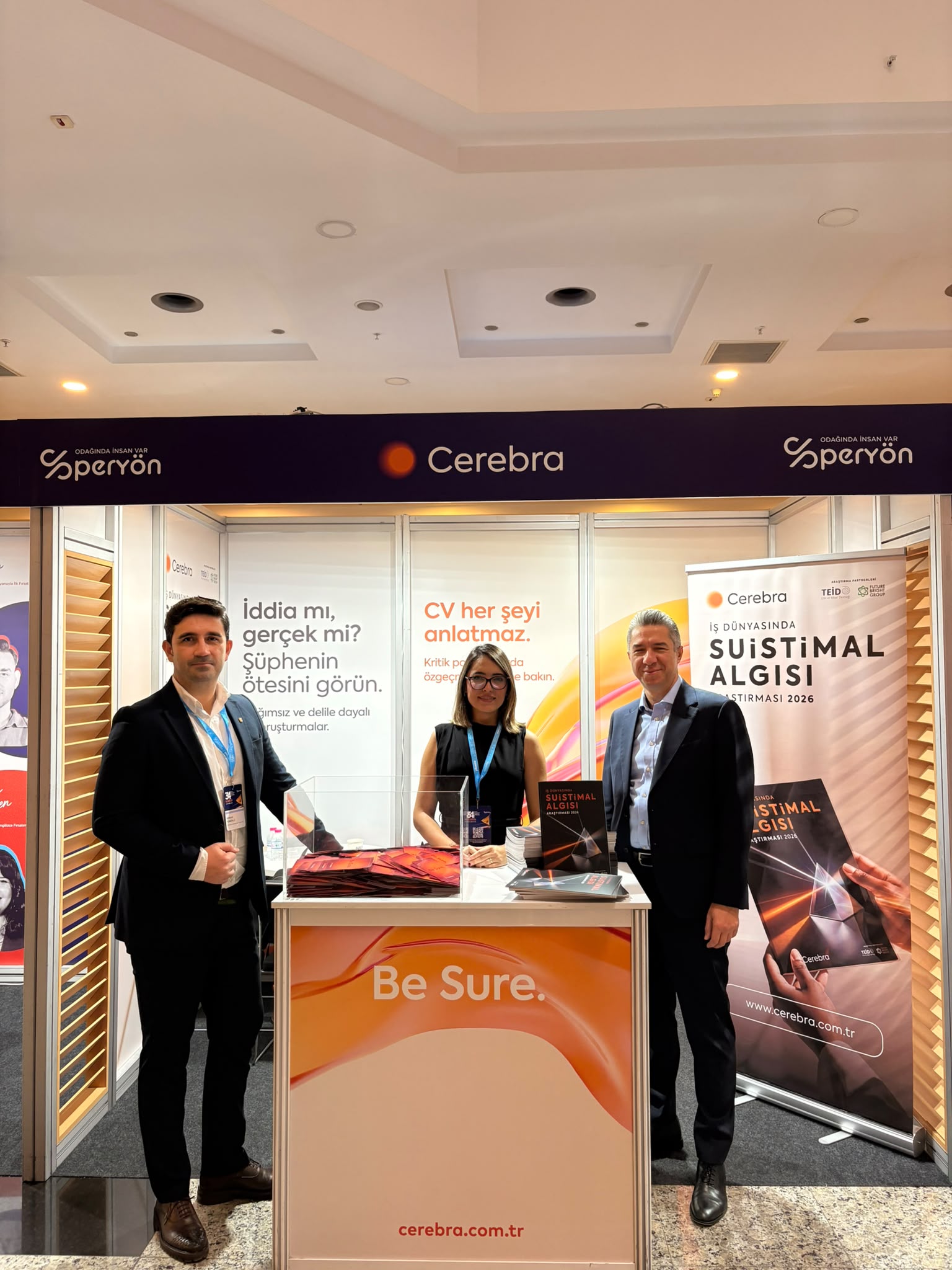
At Cerebra, we were pleased to contribute to this valuable event, which helped raise awareness of fraud risks and highlighted the importance of strengthening ethical culture.
We extend our thanks to PERYÖN, Av. Rana Günay Hoffman, moderator Mehmet Eronat and all participants for their contributions.